
What is a credit report and how to read it
Read, 7 minutes
Key takeaways
- A credit report details your payment history on loans, credit cards and other debt
- Your report helps lenders, insurance companies, employers and landlords decide whether to work with you
- You have a right to review your credit report and correct errors
A credit report is a snapshot of your financial life. Whenever you apply for things such as a loan, credit card or insurance, your credit report is a factor in the approval process. Employers and landlords may also base decisions on your report. Your credit score is calculated using the report’s details on your debt and how you manage it. Knowing how to read your credit report and ensure it is accurate can help you better manage your finances.
Article continues below
Credit articles

What is a credit report?
A credit report is a detailed record of your credit history, including loans, credit cards, payments and whether you’ve filed for bankruptcy. Lenders, insurers, landlords, employers and others use your report to evaluate your credit worthiness. For example, information in the report might affect your interest rate on a loan or whether you’re approved for an apartment. The three major credit bureaus—Experian, Equifax and TransUnion—each create a report on you using information from public records, such as property and court records, and lenders, such as banks and credit card issuers. Not all lenders report to all three credit bureaus. That means your report from each bureau may contain different information. It’s important to regularly check all three.
How do I read my credit report?
Credit reports generally include the following sections, though categories, titles and format may vary by credit bureau.
This section includes your name, previous names and any variations, such as with and without a middle initial. It also lists your current and past addresses, phone numbers, Social Security number and date of birth. Your spouse, any other co-applicants, and current and past employers may also appear.
This is the heart of your credit report. It includes your loans and credit card accounts, date they were opened, loan amount or credit limit, current balance, and your track record for making payments. This is where any late or missed payments show up. The information is typically updated monthly.
Accounts that are significantly past due are covered here, whether they are handled by the original creditor’s internal collections department or sold to a collections agency. Beyond loans and credit cards, they can include cable, cellphone and utility accounts. Medical bills in collections only show up on credit reports if they exceed $500 and are more than a year old.
This information is drawn from court filings. It includes whether you filed Chapter 7 or Chapter 13 bankruptcy and the date of the filing.
This section lists anyone who has checked your credit in the past two years. There are two types of inquiries:
- Hard inquiries are made as part of the approval process for a loan or credit card. When you apply, you give the lender permission to access your report. Hard inquiries can have a small negative effect on your credit score for up to two years.
- Soft inquiries are made for promotional or other business purposes. Companies may look at your report before making pre-approved credit card offers. Landlords, employers or insurance companies may want to review your report as part of their decision process. If you pull your own credit report, it may show up here. Soft inquiries do not affect your credit score.
What’s the difference between a credit report and a credit score?
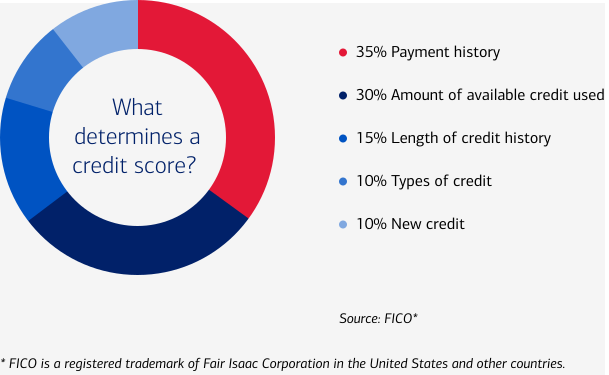
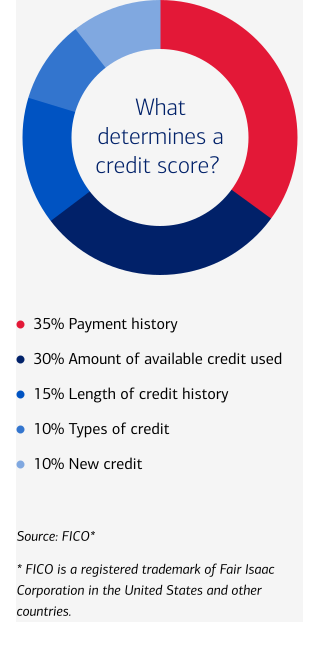
Your credit report is a history of your accounts and payments. Your credit score is a number generated from the details of your credit report. Fair Isaac Corporation (FICO), a company that provides credit scores, digs into those details and weights them by importance to calculate FICO® Scores. Scores generally range from 300 to 850 and can vary by credit bureau, when they are calculated and type of loan you may be seeking. The higher the number, the better your credit. In most cases, your credit score does not appear on your credit report. You may be able to get it from your credit card company or other lender. Ultimately, lenders can look at your credit report and credit score when deciding whether to lend you money, so paying attention to both is important.
How often should I check my credit report?
It’s a good practice to check your reports at least once a year. You should also check them before applying for a mortgage, auto loan or other big loan. You want to be sure the report is accurate. Checking your report can also help you spot identity theft. If someone fraudulently opens accounts or gets loans in your name, they may show up on a credit report. In addition to suspicious activity, look for addresses you don’t recognize.
You can get your credit reports weekly through AnnualCreditReport.com.You’re also entitled to a free report if you apply for a credit card or loan and are declined.
How do I spot and dispute errors?
First, make sure your personal information is correct. Then zero in on your credit history, especially accounts you don’t recognize and negative items like a past-due account or a debt that was sent to collections.
Common errors in credit reports
- Accounts belonging to someone with a similar name
- Accounts fraudulently opened in your name
- Accounts incorrectly reported as late or delinquent
- Same debt listed more than once
- Incorrect account balances or credit limits
Source: Consumer Financial Protection Bureau
If you spot errors or fraudulent information, act quickly to correct them. Your first steps should be to:
- Contact each credit bureau in writing. Explain what is wrong, why and ask that the information be corrected. Include supporting documents. You can submit disputes online to Equifax, Experian, and TransUnion.
- Contact the bank, credit card issuer, landlord or other company that provided the information to the credit bureaus. Again, do this in writing, explain the error and ask that it be corrected.
The credit bureaus and creditors are required to investigate your complaint and report back to you. If an investigation determines that the original information is correct and should remain in your report, you can ask the credit bureaus to add a statement explaining the dispute.
The Consumer Financial Protection Bureau offers a guide for disputing errors, including sample letters.
How long does information stay on a credit report?
Most negative information stays on credit reports for seven years. This includes Chapter 13 bankruptcy, collections, late or missed payments, and defaults, such as foreclosure, repossession or debt settlement. The exceptions are Chapter 7 bankruptcy, which stays for 10 years, and hard inquiries, which is removed after two years. Medical debt is removed as soon as it is resolved. In some states, it never appears on credit reports.
In most cases, the clock starts with the first delinquency. Bankruptcies are counted from the court filing date, and hard inquiries from the date of the inquiry. It’s important to remember that, except for medical bills, paying a delinquent debt does not automatically remove it from your credit report. On the flip side, accounts in good standing stay on your report for 10 years after they are closed.
How can a credit report help over time?
Good credit can set you up for other financial successes. For example, you may be more likely to receive a loan or qualify for a lower interest rate, which can save you money in the long run. A clean credit report—and its positive effect on your credit score—can make it easier to get credit card rewards, such as travel deals or cash back, or higher credit limits on your cards.

Frequently asked questions
Lenders, landlords, employers, insurance companies and government authorities are among the entities that can access your credit report. Any company requesting your report must have a permissible purpose spelled out in the Fair Credit Reporting Act. Those purposes include offering, reviewing or collecting on a credit account; offering insurance coverage and setting premiums; hiring, promoting or retaining an employee; determining eligibility for government benefits; and considering a rental application. In addition, financial companies can access certain information in credit reports to prescreen for offers of credit or insurance. This is called a soft inquiry. If you don’t want to get offers, the law allows you to remove your name from prescreening lists.
- Introduction
- What is a credit report?
- How do I read my credit report?
- What’s the difference between a credit report and a credit score?
- How often should I check my credit report?
- How do I spot and dispute errors?
- How long does information stay on a credit report?
- How can a credit report help over time?
- Frequently asked questions


