
Understanding personal loans: What you need to know before you borrow
Read, 6 minutes
Key takeaways
- Personal loans are a predictable way to cover a variety of big expenses
- Interest rates depend on credit history and are usually lower than credit card rates
- Other types of loans may be more cost effective or a better fit
Personal loans can be used for managing expenses like home improvements, medical bills and consolidating high-interest debt. But they’re not for everyone. You will be committing to fixed monthly payments, possibly for several years, and there are alternative options to consider. This guide can help you consider your options.
What’s a personal loan and how does it work?
Personal loans are a type of installment loan from a bank or other lender. They are often a way to get cash that can be used for a variety of purposes. The loans are predictable: you receive a lump sum called the principal and are required to pay it back plus interest over a predetermined period of time, typically several years. Your monthly payments are set when you take out the loan and don’t change unless you miss a payment. Most personal loans are unsecured, which means they are not backed by collateral. The amount you can borrow and the interest rate vary by lender and depend on several factors including your credit history, as well as your current income and debt. Most lenders require a credit score of at least 580 to qualify, according to Experian. Interest rates tend to be lower than credit card rates, but vary among lenders, so it’s worth shopping around. As with all loans, late or missed payments can damage your credit and make it difficult to get favorable terms in the future.
Article continues below
Related content

How are personal loans used?
Personal loans offer flexibility—they can be used for almost anything, small or large. Typically, people take out personal loans to cover relatively big expenses that require cash up front. Common uses include:
- Home improvements
- Debt consolidation
- Medical bills
- Emergencies
- Starting a business
- Weddings
- Vacations
In some cases, there are other financing options that might be a better fit. For example, you might get a lower interest rate if you use a home equity line of credit to finance home improvements. For debt consolidation, see if you qualify for a credit card with a low or 0% introductory rate on balance transfers. For medical bills, ask your providers if they’ll set up an interest-free payment plan. Each approach has pros and cons as well as different rules for how often, and the way, you can access the funds. It’s important to weigh them carefully and pick the one that best fits your financial goals.

How does repaying personal loans work?
Once you’ve been approved for a loan, the lender will provide you with information about the interest rate, amount, loan length, monthly payment, fees and any other factors related to the loan. Before signing the loan agreement, make sure you can handle the monthly payments and understand the terms. Fees, which vary by lender, may include an origination fee for making the loan, late fees for late payments and a prepayment penalty for paying off the loan early.
If you accept, you’ll receive the full loan amount in a single deposit to your bank account. You then begin paying it back in monthly installments. Each payment includes interest, as well as a portion of the principal. The interest is calculated as a percentage of the principal balance. It’s a good practice to set up automatic payments to ensure you always pay on time. Late or missed payments can trigger late fees and hurt your credit score.
Beware of calls or ads that guarantee you’ll get a loan if you pay an up-front fee. They are scams, according to the Federal Trade Commission. You’ll likely lose the fee and never get the loan. Legitimate lenders will not promise a loan before they receive an application and review your credit history. You can find information on lenders by:
- Checking state records. Lenders are required to register where they do business. Contact your state banking regulator or state attorney general.
- Researching online. Search for the lender’s name and the words “review,” “complaint” or “scam.” Read reviews on personal finance websites that evaluate lenders offering the best interest rates. You can also search the lender’s telephone number to see if it’s been reported as a source of scam calls.
What’s the difference between personal loans and credit cards?
Personal loans and credit cards are both forms of unsecured debt, but there are key differences. With personal loans, you receive a lump sum and then make fixed monthly payments for a set period of time. Credit cards offer a predetermined amount of credit that you can use as needed, repay and then use again. Minimum monthly payments vary depending on your balance, and there’s no deadline for paying off the balance. That flexibility comes with a price: credit card interest rates are usually higher than rates on personal loans. Since 2023, average interest rates have hovered around 21% for credit cards and 12% for 24-month personal loans, according to the Federal Reserve. A personal line of credit is another type of unsecured debt. It operates more like a credit card than a personal loan.
| | Personal loans | Credit cards |
|---|---|---|
| Access to money | ||
| Access to money | Lump sum | Charge as needed up to credit limit |
| Interest rate | ||
| Interest rate | Fixed for life of loan; usually lower than credit card rates | Can change depending on economic conditions |
| Monthly payment | ||
| Monthly payment | Set amount | Minimum varies depending on balance |
| Payoff period | ||
| Payoff period | Typically two to seven years | Open ended, as long as you make minimum payments |
| Good for | ||
| Good for | Larger, infrequent expenses such as debt consolidation or home improvements | Smaller, everyday expenses |
What is a secured personal loan?
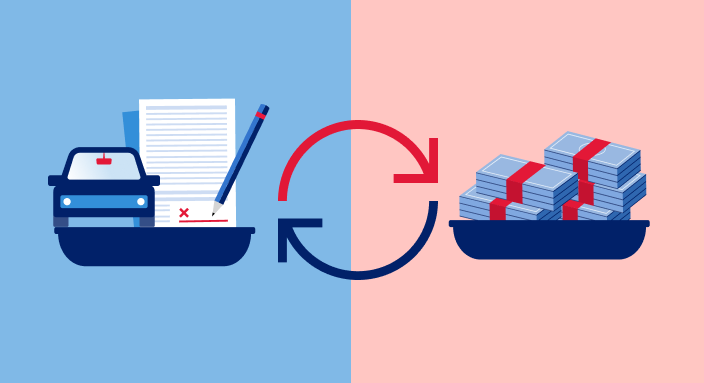
Secured personal loans require collateral, such as a vehicle, certificate of deposit or investments. Secured loans are considered less risky than unsecured loans, so you may qualify for a lower interest rate and be able to borrow more money. Keep in mind that if you can’t make the payments, you could lose the collateral.
What are alternatives to personal loans?
If you don’t have a credit history, your credit score is low or you don’t have access to a bank, you may not qualify for a personal loan. Here are some possible alternatives:
These loans require that a person with good credit agrees to be responsible for the loan if you don’t pay. A cosigner can’t access the loan proceeds; the co-borrower in a joint loan can. It’s important that your cosigner or joint borrower be someone you trust.
Credit unions are nonprofit institutions created to serve their members. They are federally regulated, like banks, but have different rules. It may be easier to qualify for a loan at your local credit union and to get better terms. A growing number of credit unions are offering short-term, small-dollar loans with favorable terms.
CDFIs are credit unions, banks, loan funds and venture capital funds that are certified by the U.S. Department of the Treasury to help underserved communities. They use a combination of public and private money to make loans to individuals, small businesses and community development projects, such as affordable housing. Compared to traditional lenders, it is usually easier to qualify for CDFI loans. Use this tool to find a CDFI near you.
Loans among family and friends are common. The advantages are clear: almost instant cash with no or low interest. The danger is strained relationships if the loan isn’t repaid. Whether you’re borrowing or lending, you can protect yourself by making sure everyone’s expectations are clear and putting the loan details in writing. The Consumer Financial Protection Bureau has tips and a worksheet to guide the conversation.
If you have a 401(k) through your job, you may be able to borrow from it. But be sure to explore other options before tapping into your retirement savings. If you leave your job before repaying the loan, you may have to pay income taxes and an early withdrawal penalty. And you’ll miss out on potential investment earnings.
Some local nonprofits may loan money, though food banks, charities and houses of worship are more likely to provide direct assistance for immediate needs. Services vary widely by community.
Payday loans are expensive and risky. They are relatively small loans that you promise to repay from your next paycheck. Fees are high—the equivalent of an APR of 400% or more according to the Federal Trade Commission—and can quickly trap you in a debt cycle. Cash advance apps, paycheck advance apps and earned wage access apps operate in a similar way to payday loans and carry the same risks.
Pawnshop loans are another high-cost, quick-cash option, though they’re less expensive than payday loans. If you fail to repay, the pawnshop keeps the item, such as jewelry, collectibles or electronics, that you provided as collateral.

When considering loans, it’s important to align your financial needs with the right type of loan. Personal loans, used wisely, can help consolidate debt, build credit, manage emergencies or fund important life goals—all meaningful steps toward long-term financial security for yourself and your family.
Frequently Asked Questions
You do not need a Social Security number to get a personal loan, but you might have fewer choices. Some lenders accept an Individual Taxpayer Identification Number (ITIN) issued by the IRS in place of a Social Security number. If you aren’t a U.S. citizen, you’ll be asked for proof of your immigration status, such as a green card or visa.


